
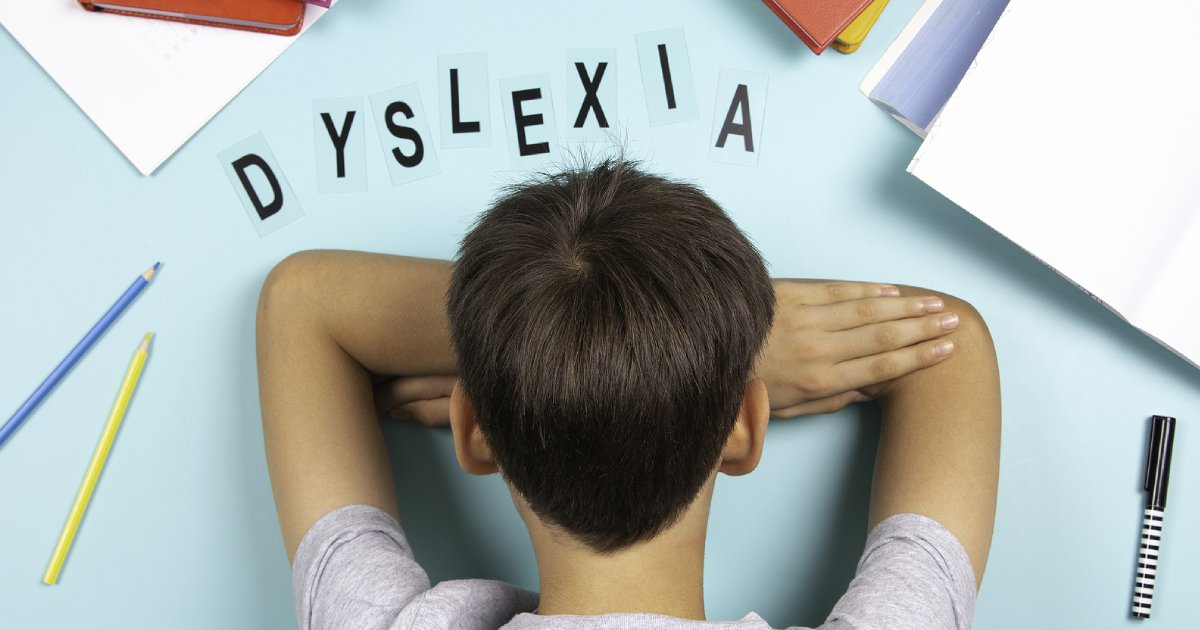
A child struggling to read or keep up in school is one of the most common concerns parents bring to educators and specialists. When your child is trying hard but still finds reading, spelling, or classroom tasks unusually difficult, it’s natural to wonder whether the issue is dyslexia, slow learning, or something else entirely. Many signs overlap, which is why parents often feel uncertain about their next steps.
This uncertainty is normal. Learning differences can be subtle, and without professional insight, such as a dyslexia assessment in Singapore, it can be challenging to understand exactly what your child is experiencing. But gaining clarity early allows you to provide targeted support and helps your child build confidence rather than frustration.
Understanding What Dyslexia Really Is
Dyslexia is frequently misunderstood. It is not a sign of low intelligence or laziness. Children with dyslexia often possess strong reasoning abilities, creativity, problem-solving skills, and verbal strengths. Their challenge lies specifically in the way the brain processes language.
Dyslexia affects skills such as phonological awareness, decoding, reading fluency, and spelling. These difficulties persist even when the child is motivated and supported. Many children with dyslexia can speak confidently, think deeply, and grasp complex ideas easily, but reading and writing remain unexpectedly hard.
What Slow Learning Means
“Slow learner” is not a diagnosis. Instead, it describes a broader pattern in which a child learns at a slower pace across a range of subjects. Unlike dyslexia, which focuses on language processing, slow learning affects general processing speed, working memory, and the ability to understand new concepts across multiple areas. Slow learners often need more time, repeated practice, and simplified instruction to absorb information.
Children who learn slowly are not unintelligent, they simply need instruction that matches their pace and cognitive profile.
How the Two Conditions Differ
Parents often notice reading struggles first, which is why dyslexia is mistaken for slow learning. However, the nature of the struggles helps differentiate them.
A child with dyslexia often shows difficulty with:
- Sound-letter connections
- Blending or segmenting words
- Recognising familiar words
- Spelling words consistently
- Reading fluently even with practice
Meanwhile, a slow learner may struggle more generally with understanding concepts, retaining new information, or processing instructions across all subjects, not just language-based ones.
This is also why many parents learn why traditional tutoring fails dyslexic kids. Because dyslexia is a language-processing difference, conventional tutoring methods like memorisation, repetition, and drilling do not address the underlying neurological challenge. Dyslexic learners need structured literacy methods grounded in phonological awareness, not more generic practice.
Why These Differences Matter
Children with dyslexia often benefit from structured literacy approaches that use explicit phonics, repetition, and multi-sensory techniques. Slow learners, however, may need modified content, extended time, and teaching approaches that break concepts into smaller steps.
Knowing the difference ensures your child receives the right support rather than generic tutoring that may not address the real issue.
Early Signs of Dyslexia: What Parents Often See
Early childhood provides important clues. Some children have trouble learning nursery rhymes, identifying sounds at the start of words, following sequences, or remembering simple verbal instructions. As school begins, signs become more noticeable: persistent letter reversals, slow reading, difficulty decoding even simple words, or spelling that seems far below their age group.
A child with dyslexia may also avoid reading aloud, become anxious during reading tasks, or guess words based on their shape rather than sounding them out.
What Slow Learners Tend to Struggle With
Slow learners often experience challenges that extend beyond reading. They may take longer to grasp new mathematical concepts, need more time to understand storylines, or struggle with tasks involving memory and general knowledge. They often require additional reinforcement regardless of the subject matter.
These challenges are consistent across the school day, not concentrated around literacy.
Assessment: The Key to Clarity
Parents sometimes hope the issue will resolve itself with time. But waiting too long can widen academic gaps and chip away at a child’s confidence. A professional assessment offers the clarity you need. A typical dyslexia assessment includes evaluating phonological skills, decoding ability, reading fluency, working memory, and overall cognitive profile. This helps determine whether the issue is dyslexia, another learning difference, or a general learning delay.
Having this information early allows your child to access appropriate support before frustration becomes part of their identity.
Supporting Your Child While You Seek Answers
While waiting for assessments or working through school challenges, small adjustments can help:
- Allow your child to choose books aligned with their interests, not their reading level.
- Use audiobooks or read-along tools to keep them engaged.
- Praise effort rather than results.
- Break tasks into shorter, manageable segments.
- Maintain a predictable routine with calm study environments.
Children flourish in environments where they feel safe, understood, and supported emotionally.
When You Should Consider Seeking Help
If your child consistently avoids reading, struggles significantly more than peers, becomes unusually frustrated with schoolwork, or shows minimal improvement despite effort, a professional evaluation may be beneficial. Early intervention is one of the strongest predictors of long-term success and emotional resilience.
Conclusion
Understanding whether your child has dyslexia or is simply learning at a slower pace can transform their learning journey. With the right insights, support, and professional guidance, your child can develop confidence, resilience, and the skills they need to thrive in school and beyond.
The Singapore Brain Development Centre (SBDC) provides comprehensive literacy and cognitive assessments, personalised intervention plans, and experienced support for children with learning differences. If you’re seeking clarity, guidance, or a way forward, SBDC is ready to help your child build strong foundations for lifelong learning.
For more information, get in touch with us today!