
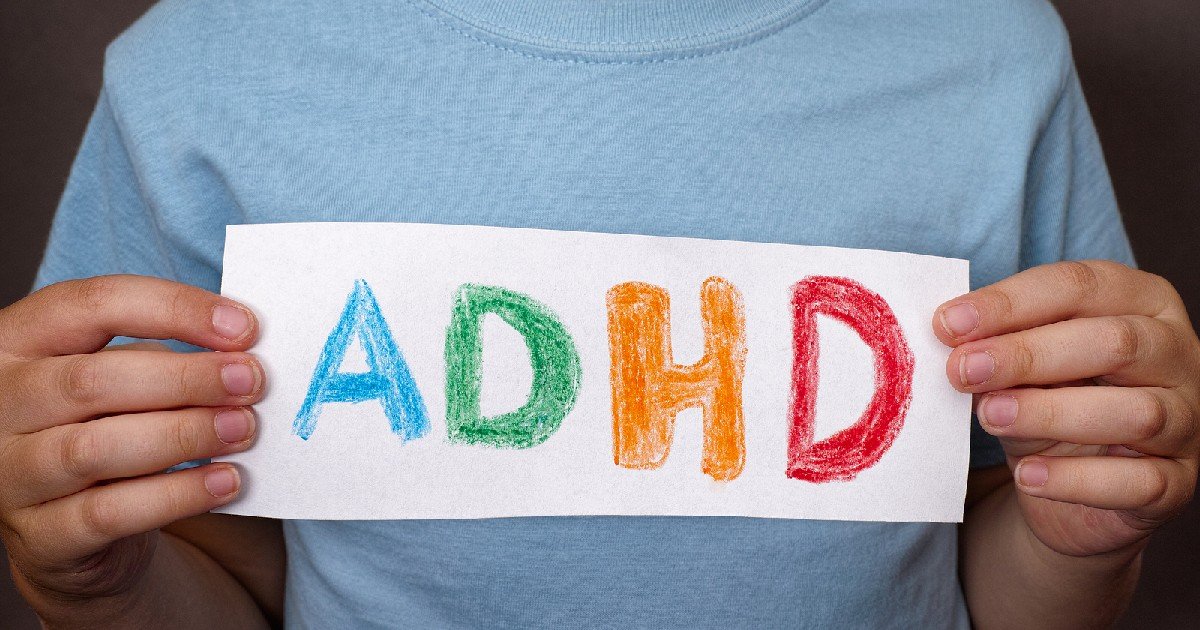
A child who cannot seem to sit still. A teen who forgets assignments despite trying hard. An adult who feels constantly overwhelmed by everyday tasks. ADHD often shows up quietly, woven into daily life in ways that are easy to misunderstand.
Attention-Deficit/Hyperactivity Disorder, or ADHD, is not about laziness, poor discipline, or lack of intelligence. It is a neurodevelopmental condition that affects how the brain manages attention, impulses, emotions, and self-regulation. When understood early and supported properly, individuals with ADHD can thrive academically, socially, and emotionally.
This guide breaks down what ADHD really is, how it shows up at different life stages, and what meaningful support looks like for children and families.
What Exactly Is ADHD?
ADHD is a condition that affects the brain’s executive functions. These are the mental skills that help us plan, focus, manage time, remember information, and regulate behaviour. When these systems develop differently, everyday demands can feel disproportionately challenging.
ADHD is typically grouped into three presentations:
- Predominantly inattentive: Difficulty sustaining attention, frequent forgetfulness, losing items, and seeming “mentally elsewhere”
- Predominantly hyperactive-impulsive: Restlessness, excessive talking, difficulty waiting turns, and acting without thinking
- Combined presentation: A mix of inattentive and hyperactive-impulsive traits
It is important to note that ADHD is not a phase children simply “grow out of”. While symptoms may change over time, many individuals continue to experience ADHD-related challenges into adolescence and adulthood.
Common Signs of ADHD Across Ages
ADHD does not look the same in every child or adult. Its presentation often evolves as responsibilities increase.
In young children
- Difficulty following instructions
- Frequent meltdowns or emotional outbursts
- High energy levels that feel hard to manage
- Struggles with turn-taking or waiting
In school-aged children
- Trouble staying focused during lessons
- Incomplete homework despite understanding the material
- Disorganisation and messy school bags
- Sensitivity to criticism or frustration
In teenagers
- Poor time management
- Academic underachievement compared to potential
- Emotional overwhelm or low self-esteem
- Increased conflict at home or school
In adults
- Chronic procrastination
- Difficulty juggling work and family demands
- Forgetting appointments or deadlines
- Feeling constantly mentally “switched on” or exhausted
Because these signs overlap with stress, anxiety, or normal developmental behaviour, ADHD is often missed or mislabelled.
Why ADHD Is Often Misunderstood
One of the biggest challenges with ADHD is that many symptoms are invisible. A child may appear calm while struggling internally to stay focused. Another may be labelled “naughty” when they are actually overwhelmed.
Cultural expectations, academic pressure, and outdated beliefs can make families hesitant to seek help. Some worry about labels or stigma. Others believe their child just needs more discipline or structure.
In reality, understanding the brain-based nature of ADHD allows parents and educators to respond with empathy rather than frustration.
How ADHD Affects Learning and Emotions
ADHD impacts far more than attention. Emotional regulation is a significant, yet often overlooked, aspect of the condition.
Children with ADHD may:
- Feel emotions more intensely
- Struggle to calm down after disappointment
- Be highly sensitive to perceived failure
- Experience anxiety or low confidence
Academically, they may know the answers but struggle to demonstrate them under timed or structured conditions. Over time, repeated setbacks can shape how a child sees themselves.
Early recognition helps prevent these emotional scars from forming.
Diagnosis and Support: What Parents Should Know
A proper ADHD assessment looks beyond surface behaviours. It involves understanding cognitive functioning, learning styles, emotional regulation, and daily challenges across environments.
Working with an ADHD specialist in Singapore ensures that evaluations are comprehensive and tailored to the child’s developmental stage, rather than relying on one-size-fits-all checklists.
Support plans include:
- Sensory Integration (SI) therapy to help children process sensory information and regulate their behaviour
- Auditory Processing Training to strengthen attention, listening, and learning skills
- Cognitive training to enhance learning, memory, and problem-solving skills
- Parent guidance to support consistent strategies at home
- Practical skills training for organisation, focus, and emotional regulation
Structured ADHD therapy in Singapore often focuses on equipping children with tools they can use independently over time, rather than trying to “fix” them.
Practical Strategies That Make a Real Difference
Support does not stop at the clinic or classroom. Small, consistent changes at home can significantly improve daily life.
Clear routines, visual schedules, and predictable expectations help reduce overwhelm. Breaking tasks into smaller steps builds confidence and follow-through. Most importantly, understanding your child’s limits prevents unnecessary power struggles.
Many parents find relief in discovering parenting hacks that make life easier, such as using timers for transitions, offering structured choices, or building in movement breaks during homework time. These adjustments are not shortcuts; they are evidence-based strategies that respect how an ADHD brain works.
Strengths Often Overlooked in ADHD
While ADHD presents challenges, it is also associated with unique strengths.
Many individuals with ADHD are:
- Highly creative
- Energetic problem-solvers
- Deeply empathetic
- Able to hyperfocus on areas of interest
When children receive the right support, these strengths can flourish. The goal is not to eliminate ADHD traits, but to help individuals manage difficulties while leveraging what they do well.
When Should You Seek Help?
If challenges are affecting your child’s learning, self-esteem, or family relationships, it is worth seeking professional guidance. Early support reduces long-term stress and gives children the tools they need to navigate increasing demands as they grow.
ADHD is not a parenting failure or a child’s fault. It is a difference that deserves understanding, structure, and skilled support.
Supporting Your Child’s Journey Forward
Every child’s ADHD journey is unique. With the right guidance, children can learn to manage their attention, emotions, and behaviour in ways that work for them.
The Singapore Brain Development Centre (SBDC) supports children and families through comprehensive assessments and personalised, evidence-based intervention programmes. Using a hands-on approach, SBDC addresses attention, learning, sensory processing, and emotional regulation through carefully designed support plans.
These programmes may include cognitive training, sensory integration therapy, auditory processing training, and practical skills development, alongside parent guidance to ensure strategies remain consistent across environments. By focusing on both skill-building and emotional well-being, SBDC helps children develop the confidence and tools they need to succeed in school and daily life.
With early intervention and tailored support, families can move forward with greater clarity, confidence, and understanding of their child’s unique strengths.
Reach out to the Singapore Brain Development Centre to explore how our multidisciplinary team can help your child build skills for success both in and beyond the classroom.